
Page: JPI Worldwide Insights
Revision date: August 31, 2026
Author: Penny Marbel (JPI Worldwide)
1. The staffing requirement is part of the technical solution
Technical infrastructure does not operate independently of the people assigned to deploy, integrate, maintain, and support it. A network may be properly designed, but performance can still be affected by staffing gaps, incomplete mobilization, unclear responsibilities, or insufficient field experience.
For government agencies, prime contractors, and nonprofit organizations, technical staffing may determine whether a project transitions from procurement to operational capability without avoidable delays.
Key definition: Technical staffing for CONUS and OCONUS deployments is the structured sourcing, qualification, mobilization, and sustainment of personnel needed to install, operate, protect, troubleshoot, and hand off technology in domestic or overseas environments.
The staffing model may include:
- Network and systems technicians
- Communications and infrastructure specialists
- Cybersecurity personnel
- Field service engineers
- Installation and commissioning teams
- Technical project managers
- Trainers and end-user support personnel
- Vendor-certified or platform-specific specialists
- Personnel with applicable safety, medical, aviation, logistics, or other field qualifications
JPI Worldwide provides technical staffing and field services for short-duration deployments, project-based requirements, and sustained operations in CONUS and OCONUS environments.
2. What makes CONUS and OCONUS staffing different?
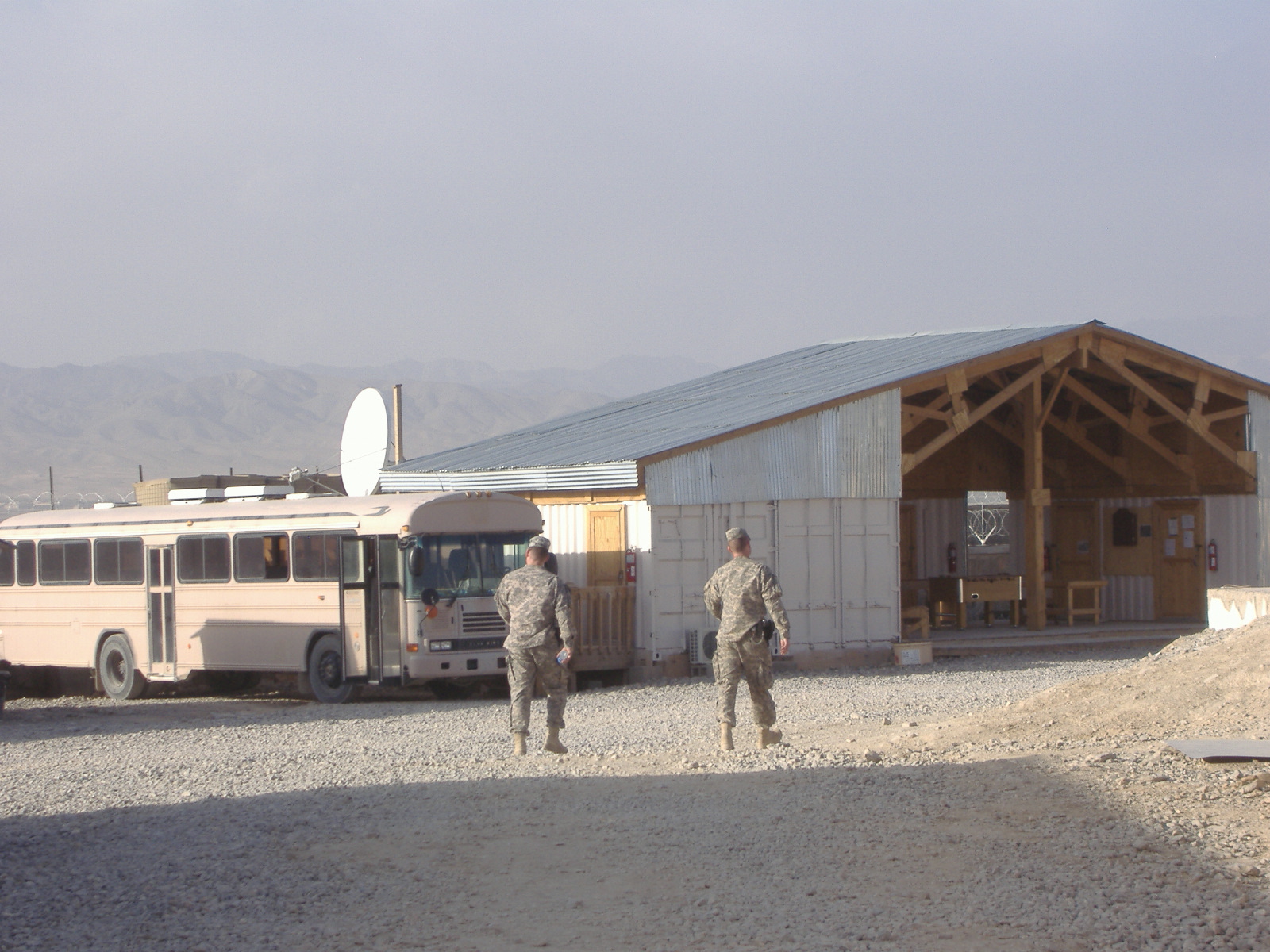
CONUS work may still involve complex travel, distributed sites, regulated facilities, and difficult labor-market conditions. OCONUS work adds additional considerations. These may include transportation, customs, local infrastructure, personnel documentation, security requirements, medical readiness, communications limitations, and support in areas where replacement personnel are not readily available.
A staffing plan should therefore address more than the technical labor category. It should account for the conditions under which personnel will perform.
A practical deployment staffing component
A useful staffing component should evaluate each position against five requirements:
-
Technical scope
Identify the systems, networks, communications equipment, software, facilities, and interfaces the personnel will support. -
Field conditions
Define whether the work involves a conventional office, industrial site, temporary facility, remote location, or austere operating environment. -
Readiness requirements
Identify required training, screening, certifications, clearances, travel documents, medical requirements, and customer-specific approvals. -
Coverage model
Establish whether support will be remote, on-site, shift-based, on-call, rotational, surge, or a combination of these models. -
Sustainment and handoff
Define maintenance, troubleshooting, documentation, training, replacement coverage, and transition responsibilities after installation.

This component helps primes and mission partners compare candidates against the actual operating requirement rather than relying solely on resumes or job titles.
3. How should primes source technical personnel?
Primes should source personnel against the performance requirement, not only against an isolated labor category. The relevant question is not simply whether a candidate has experience with a technology. The question is whether that person can apply the experience within the schedule, location, security framework, reporting structure, and operational conditions of the contract.
A prime contractor’s staffing review should consider:
- Experience with the required technical environment
- Ability to work within a larger integrated team
- Documented field installation or troubleshooting experience
- Familiarity with configuration control and technical documentation
- Ability to work with government, commercial, local, and subcontractor personnel
- Readiness for travel and overseas deployment, where applicable
- Availability for rotations, surge support, or sustained operations
- Understanding of customer reporting and quality requirements
- Ability to perform a disciplined handoff to local or follow-on personnel
This approach reduces operational friction for the prime. It also creates clearer accountability between the prime, subcontractor, government customer, and technical workforce.
Federal service requirements are commonly written around measurable outcomes. FAR 37.602 provides that a performance work statement should describe required results and establish standards that permit performance assessment. Staffing decisions should support those standards.
For example, a requirement may measure:
- Network availability
- Ticket response and resolution
- Installation completion
- Configuration accuracy
- Patch or maintenance timelines
- Documentation quality
- Training completion
- Service continuity during personnel transitions
The specific measures must come from the applicable contract, statement of work, or performance work statement. A staffing provider should not assume that a general technician profile satisfies every program requirement.
4. How does the model apply to NGOs and development organizations?
NGOs and international development organizations may require many of the same technical functions as government and defense programs, but the operating objectives may differ.
A development or humanitarian program may require:
- Connectivity for a field office or medical facility
- Network installation for an education or governance program
- Communications support for mobile teams
- Technical training for local personnel
- Internet or broadband service in an infrastructure-limited area
- Equipment staging and movement
- Field troubleshooting and maintenance
- Technology support during program expansion or emergency response
The operating environment may be remote without being military. Staffing may involve international personnel, locally engaged staff, third-country personnel, commercial technicians, or a blended team. The appropriate model depends on the scope of work, local law, security conditions, funding requirements, and the organization’s duty-of-care procedures.
JPI Worldwide describes its humanitarian and international-development support as including communications, infrastructure, technical staffing, logistics, and operational support for organizations working in complex environments.
The same core principle applies across both tracks:
Personnel should be selected for the environment in which the work must be performed, not only for the technology being installed.

5. What compliance and deployment issues should be reviewed?
Overseas technical staffing requires contract-specific review. No single rule determines every requirement. The applicable contract clauses, place of performance, customer, personnel status, and mission conditions must be evaluated together.
Overseas workers’ compensation
The U.S. Department of Labor’s Defense Base Act guidance explains when workers’ compensation coverage may apply to employees working overseas on covered government contracts and related work.
A contractor or subcontractor should determine, before deployment:
- Whether the contract is covered by the Defense Base Act
- Which personnel are covered
- Whether any waiver or local-law treatment applies
- Whether insurance is active before covered work begins
- Whether required notices and records are maintained
The DBA is not a staffing-level rule. It is an employee-protection and insurance requirement that may affect the cost, timing, and administration of an overseas deployment.
Government and customer deployment requirements
Where personnel support U.S. Armed Forces outside the United States, DFARS 252.225-7040 may establish additional requirements concerning contractor personnel, authorization, tracking, training, and deployment readiness.
Where applicable, the contractor should also review:
- Letter of authorization requirements
- Security and background screening
- Medical screening and immunizations
- Personal security and law-of-war training
- Country or theater clearances
- Travel and movement procedures
- Government-furnished housing, transportation, or security
- Reporting requirements for deployed personnel
FAR 52.225-19 addresses contractor personnel performing in a designated operational area or supporting a diplomatic or consular mission outside the United States. The clause may assign logistical and security responsibilities to the contractor unless the contract provides otherwise.
These provisions should be reviewed by the responsible contracts, legal, human resources, insurance, and program-management personnel. General guidance does not replace contract-specific advice.
6. How can staffing reduce operational friction for a prime?
A subcontractor reduces friction when it provides more than a resume. The subcontractor should provide a usable staffing package that allows the prime to make timely decisions and integrate the personnel into the program.
That package may include:
- Candidate qualifications mapped to the statement of work
- Availability and proposed mobilization timeline
- Deployment-readiness status
- Required certifications and training
- Travel and rotation assumptions
- Labor category and rate information
- Replacement or backfill procedures
- Technical reporting responsibilities
- Equipment and tool requirements
- Handoff and continuity procedures
The prime should also confirm how staffing changes will be controlled. A technically qualified replacement may still require customer approval, new travel arrangements, additional training, or an updated authorization.
JPI Worldwide’s government support capabilities include technical personnel, field installation, systems integration, troubleshooting, training, maintenance, logistics, and deployment support. This allows staffing to be considered alongside the network deployment services and infrastructure requirements that the personnel will support.
7. What should a deployment staffing plan contain?
A deployment staffing plan should be concise, specific, and traceable to the contract requirement. At a minimum, it should identify:
- Mission objective
- Place and period of performance
- Required technical functions
- Personnel qualifications
- Coverage and shift assumptions
- Mobilization sequence
- Equipment and tool requirements
- Training and readiness obligations
- Security and access dependencies
- Travel and logistics responsibilities
- Escalation procedures
- Documentation and handoff requirements
- Sustainment and replacement coverage
The plan should distinguish between confirmed facts, customer-provided assumptions, and items requiring approval. This distinction is particularly important when the work involves overseas travel, controlled facilities, sensitive systems, or changing field conditions.
8. How does JPI Worldwide support technical staffing?
JPI Worldwide can support primes, government customers, NGOs, development organizations, and commercial partners with technical personnel for:
- Network deployment services
- Communications and infrastructure installation
- Systems integration
- Cybersecurity implementation and support
- Field troubleshooting
- Technical training
- Preventive and corrective maintenance
- Commissioning and operational testing
- Sustained technical operations
- Logistics and deployment coordination
JPI’s published experience includes government, commercial, humanitarian, development, and international operating environments. The company’s role may be structured as a focused technical assignment, an integrated subcontract function, or a broader field-support requirement.
Staffing remains subject to the applicable statement of work, contract terms, customer approvals, personnel availability, legal requirements, and conditions at the place of performance. No staffing model should be treated as universal.
Frequently asked questions
What is the difference between CONUS and OCONUS technical staffing?
CONUS staffing supports work within the contiguous United States. OCONUS staffing supports work outside the contiguous United States. OCONUS assignments may involve additional travel, logistics, insurance, security, training, documentation, and local operating requirements.
What technical personnel may be required for an overseas deployment?
The requirement may include network technicians, systems administrators, communications specialists, cybersecurity personnel, field service engineers, project managers, trainers, or vendor-certified specialists. The appropriate labor mix depends on the contract and technical scope.
Does the Defense Base Act determine how many IT personnel must be deployed?
No. The Defense Base Act concerns workers’ compensation coverage for certain overseas work. Staffing levels and technical qualifications are generally defined by the applicable contract, statement of work, performance work statement, or customer requirement.
How can a prime contractor use a staffing subcontractor?
A prime may use a staffing subcontractor to provide qualified personnel, surge support, field installation, technical integration, sustainment, or specialized expertise. The subcontract should define scope, deliverables, reporting, responsibility for deployment costs, and replacement procedures.
What should an NGO assess before sending technical personnel overseas?
An NGO should assess the technical requirement, local operating conditions, personnel safety, travel and insurance obligations, communications dependencies, equipment movement, local support, training, and sustainment. The organization should also confirm that the staffing plan is consistent with its program obligations and applicable law.
Discuss the requirement with JPI Worldwide
JPI Worldwide supports organizations that require technical personnel able to deploy, integrate, troubleshoot, and sustain systems in CONUS and OCONUS environments.
To discuss a staffing, network deployment, field support, or technical integration requirement, use the JPI Worldwide contact page, email connect@jpiworldwide.com, or call +1-509-210-3023.
Do not submit classified information, Controlled Unclassified Information, export-controlled technical data, passwords, credentials, or other sensitive material through a public contact form.